Sunsets, horizons and the language/mind/culture distinction
For some reason, many accomplished people, when they are done accomplishing what they’ve set out to accomplish, turn their minds to questions like:
- What is primary, thought or language.
- What is primary, culture or language.
- What is primary, thought or culture.
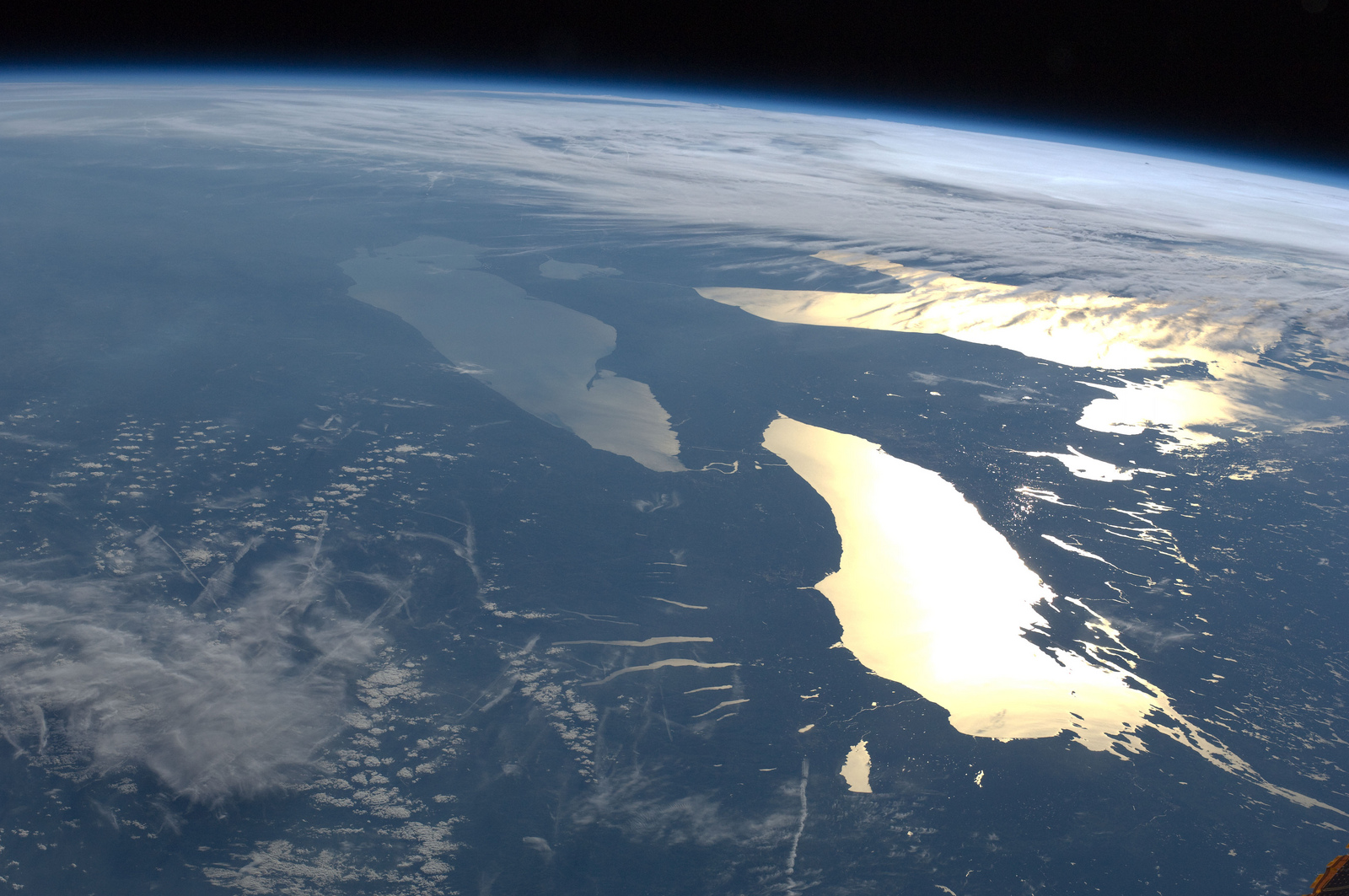
Let’s compare it with the idea of the setting sun. I see the Sun disappearing behind the horizon and I can make some useful generalizations about it. Organize my directions (East/West), plant plants to grow better, orient how my dwelling is positioned, etc. And my description of this phenomenon as ‘the sun is setting behind the horizon’ is perfectly adequate. But then I might start asking questions like ‘what does the Sun do when it’s behind the horizon?’ Does it turn itself off and travel under the earth to rise again in the East the next morning? Or does it die and a new one rises again the next day? Those are all very bad questions because I accepted my local heuristic as describing a reality. It would be even worse if I tried to go and see the edge or the horizon. I’d be like the two fools who agreed that they would follow the railway tracks all the way to the point they meet. They keep going until one of them turns around and says ‘dude, we already passed it’.
So to ask questions about how language influences thought and culture influences language is the same as trying to go see the horizon. Language, culture and mind are just ways of describing things for particular purposes and when we start using them outside those purposes, we get ourselves in a muddle.
Archive comments
1 comment archived from the original WordPress blog. New comments below.